Introduction
In parallel with his software development career, Pedro has maintained an active practice in 3D modeling and animation. Below is a selection of projects he has undertaken over the years.
He adopted Blender, due to it’s versatility and “all-in-one” 3D Design & Animation application principle, and has continued to work within the platform as it has evolved to meet current industry standards, making it his tool of choice for producing 3D assets.
Animated Coyote
[Developed around the fall of 2026]
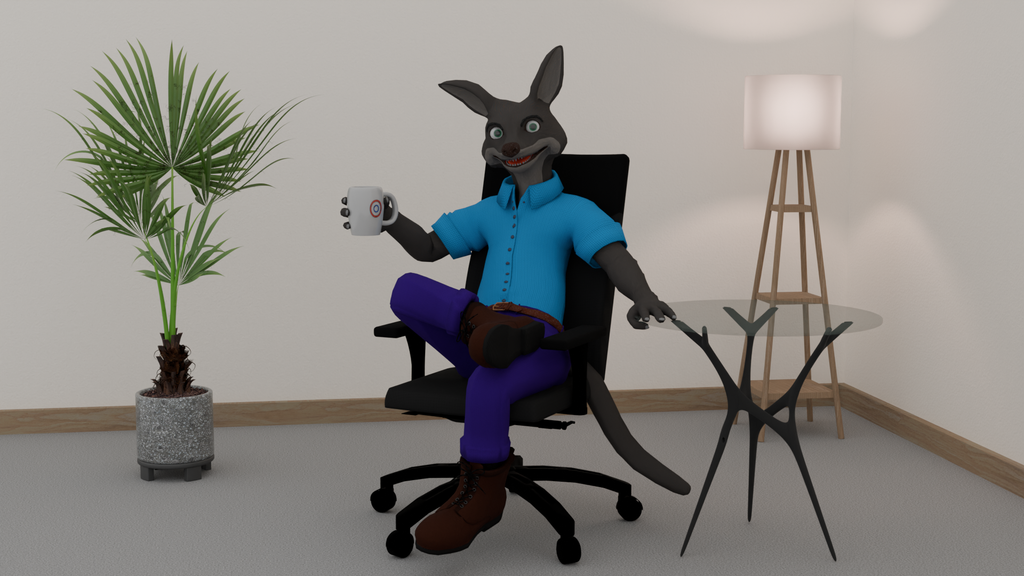
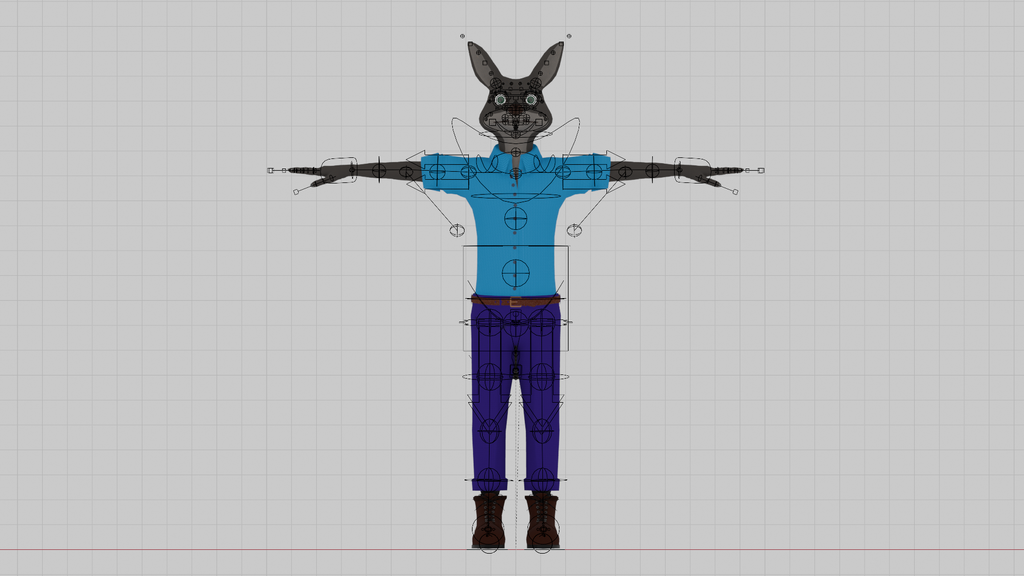
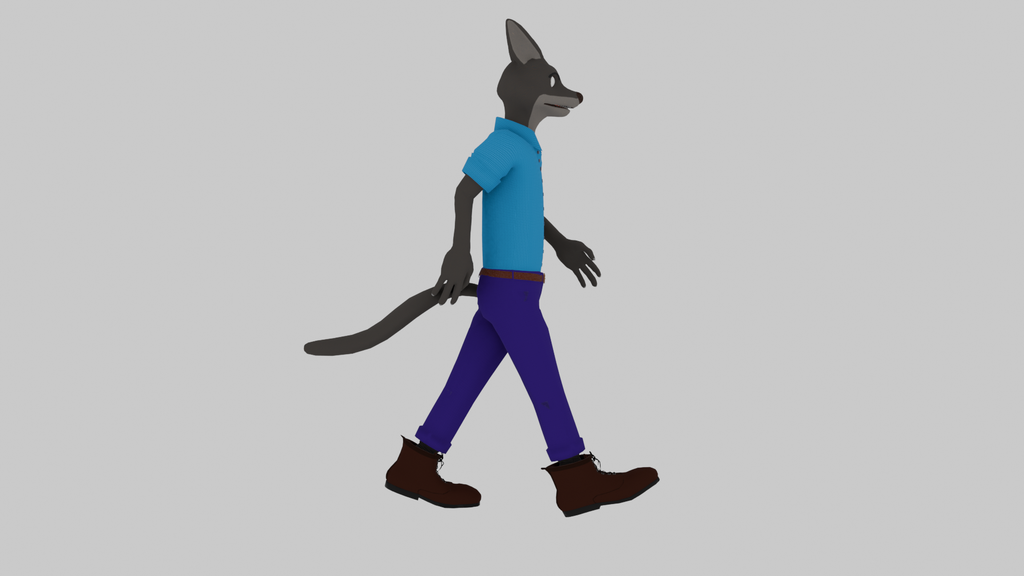
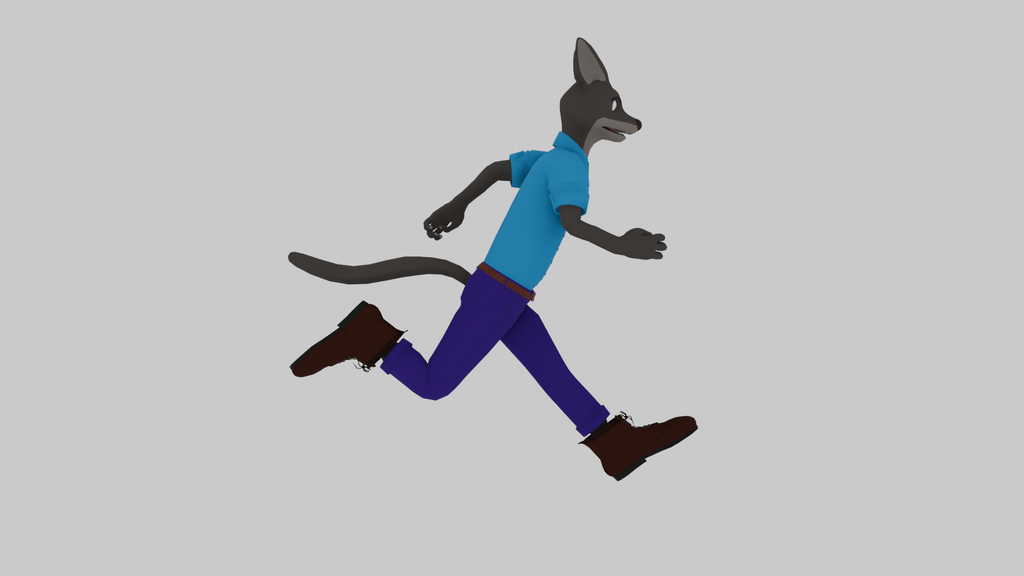
This project focused on the animation pipeline in Blender, creating a stylized, cartoonish anthropomorphic coyote, built end-to-end for real-time use. The character was sculpted with a bold toonish style, featuring big eyes and a wide mouth, expressive hands and feet, and exaggerated squash-and-stretch-friendly proportions with a loose, bouncy silhouette. Retopology and modeling prioritized low poly count, while supporting good deformations. UVs were unwrapped with a single atlas to keep texture memory low, and easy to import by other apps (eg. game engines). A full skeleton was rigged to support a walk and run cycle, authored with anticipation, follow-through, and overshoot to sell the toonish feel, with 24 frames. The final asset is lightweight and game-ready, exported as FBX, OBJ, and MTL files with baked textures.
Alien Forest
[Developed around the fall of 2026]
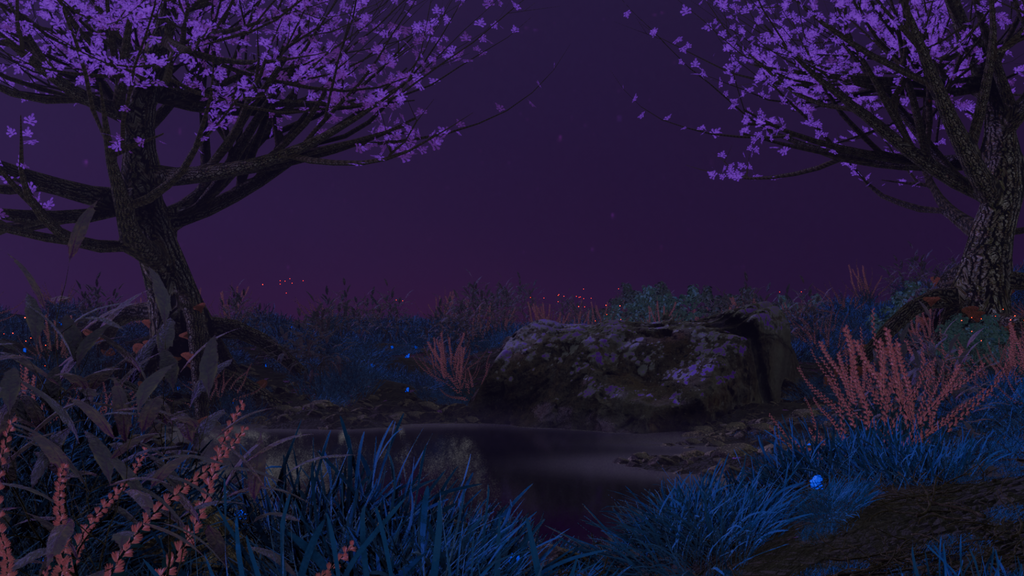
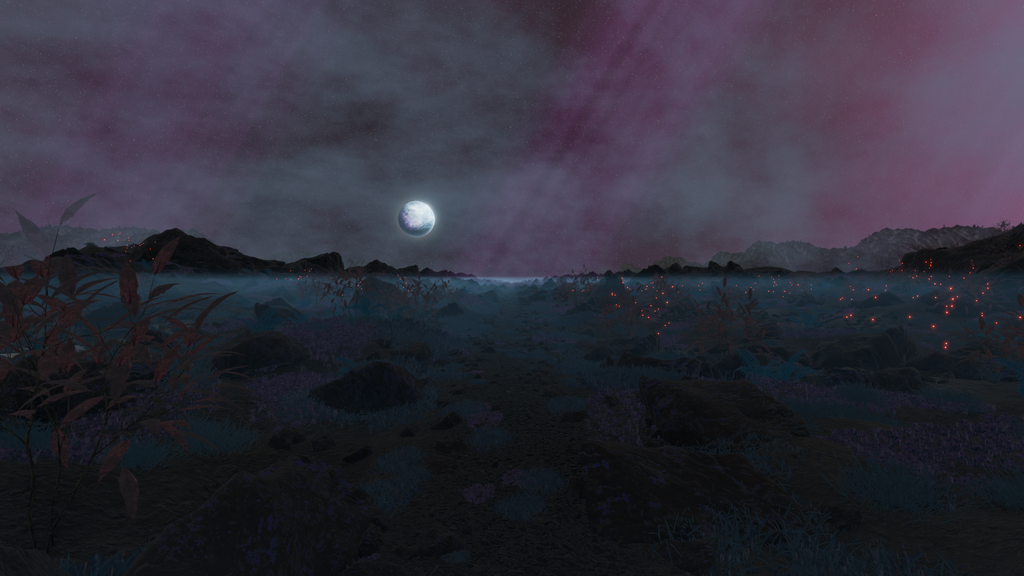
This project was an opportunity to return to Blender and explore Geometry Nodes by designing an alien forest. The focus was on creating a looped and seamless animation both circular and linear – so it can be played indefinitely. The process also included the chance to practice integrating and adapting individual nature assets, and their material/shaders, volumetric lights and skyboxes, into a single coherent scene.
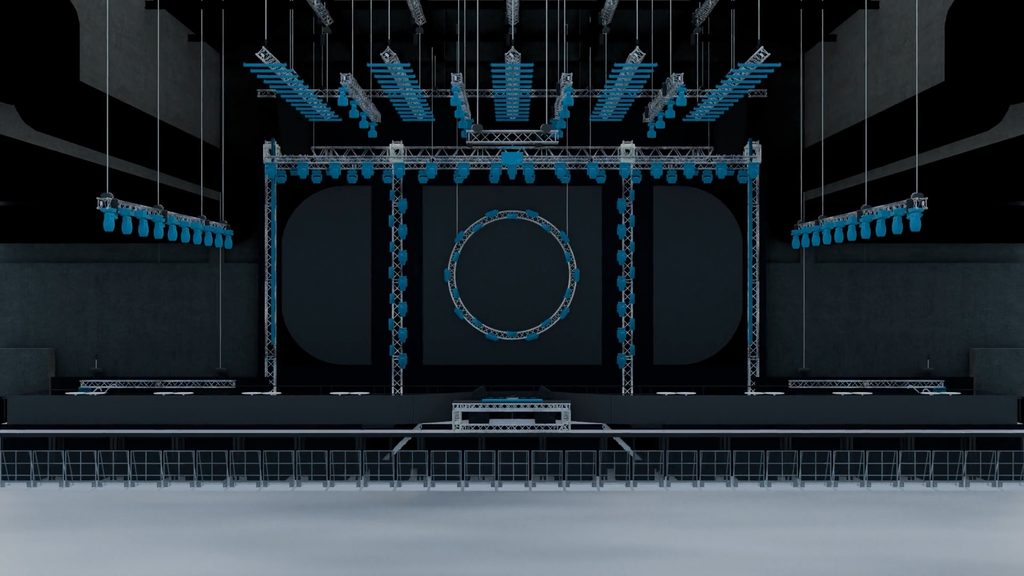
Stage Build-Up Promo
[Developed around the start of 2026]
This project was commissioned by a friend, who’s a professional in the VFX and live-event production industry, specializing in stage design, sound, and lighting. The brief was to animate the assembly of the stage setup — rigging, trussing, and equipment — before the lights, performers, and projected video are composited into the final scene.
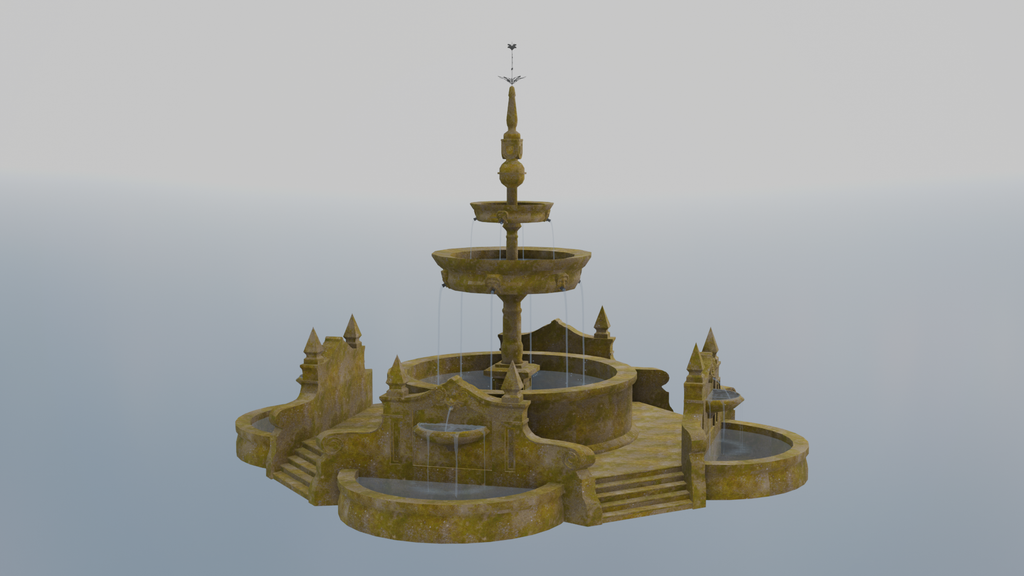
Town Square Fountain
[Developed around the start of 2026]
This project was commissioned by a friend developing a game that required a low-poly fountain asset. The design was inspired by traditional Portuguese town square fountains. Water effects and textures were added in a later pass to enhance realism.
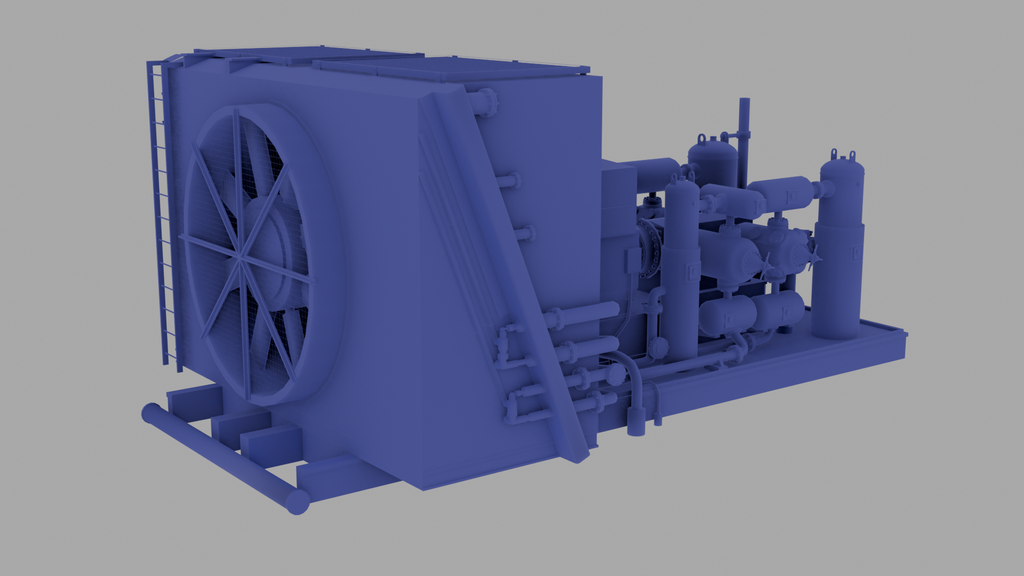
Gas Compressor
[Developed around the end of 2022]
This project was a paid commission from a friend working at a company that monitors industrial compressors — complex machines with extensive internal tubing used in gas extraction. The main challenge was reconstructing the internal tube routing and structural connections with very limited reference material available.
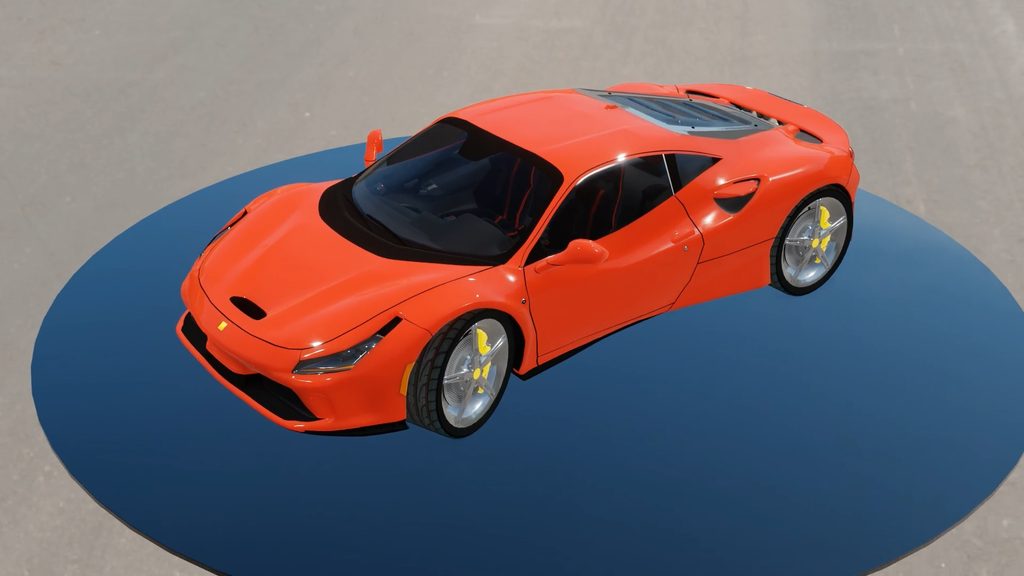
Ferrari F8
[Developed around the beginning of 2021]
This project involved modelling the Ferrari F8 Tributo shortly after its 2019 release, presenting a unique challenge due to the limited reference material available for a newly launched product.
Robotic Arm
[Developed around the beginning of 2021]
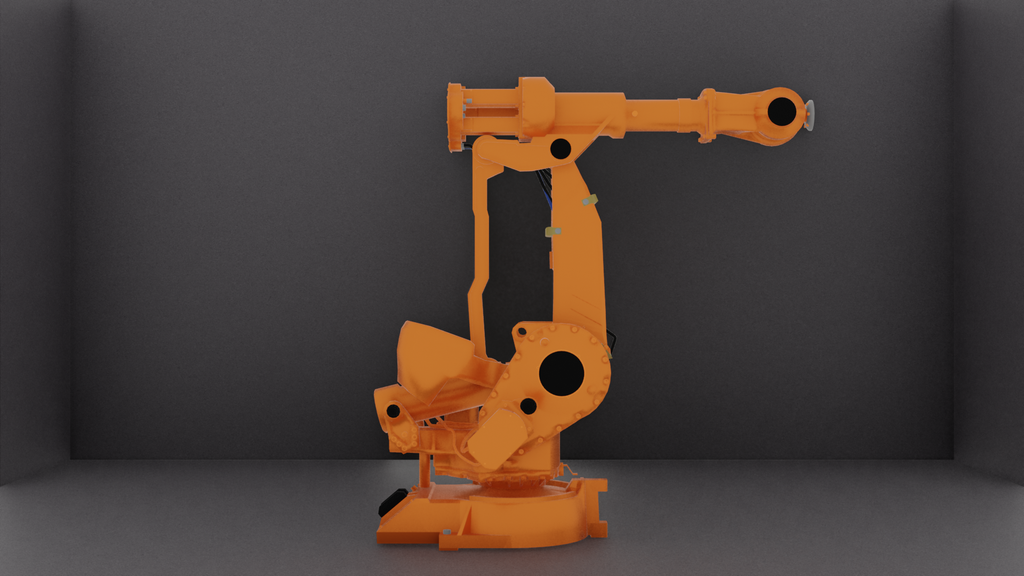
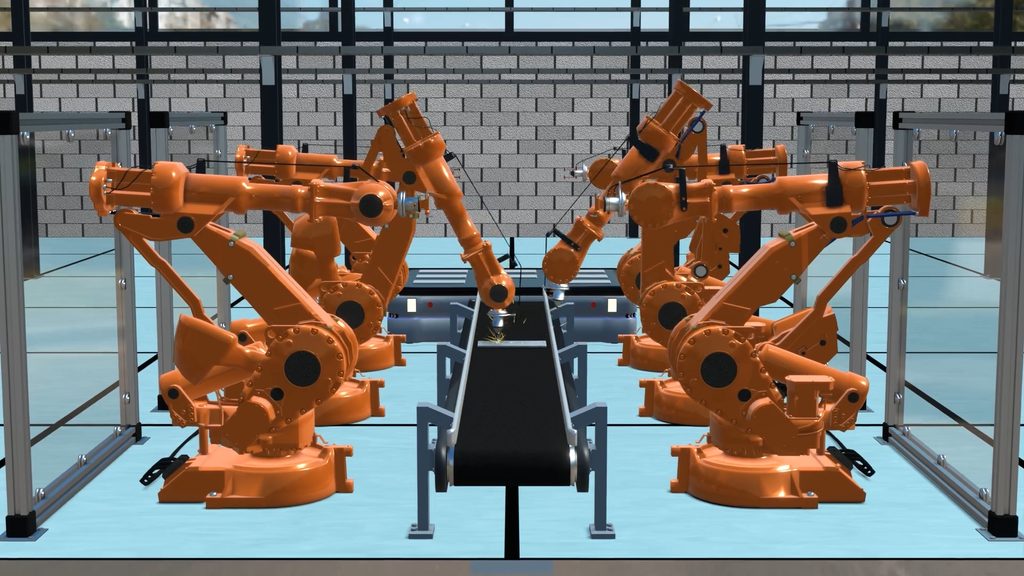
This project involved modelling an IRB 4400 robotic arm with an integrated inverse kinematics (IK) rig. After completing the single-arm asset, the scope expanded into a full assembly line setup – the target was to create introductory animation for a planned YouTube series, Making Robotics Great Again (the channel never actually took off, but might still some day).
Windmill
[Developed around the end of 2020]
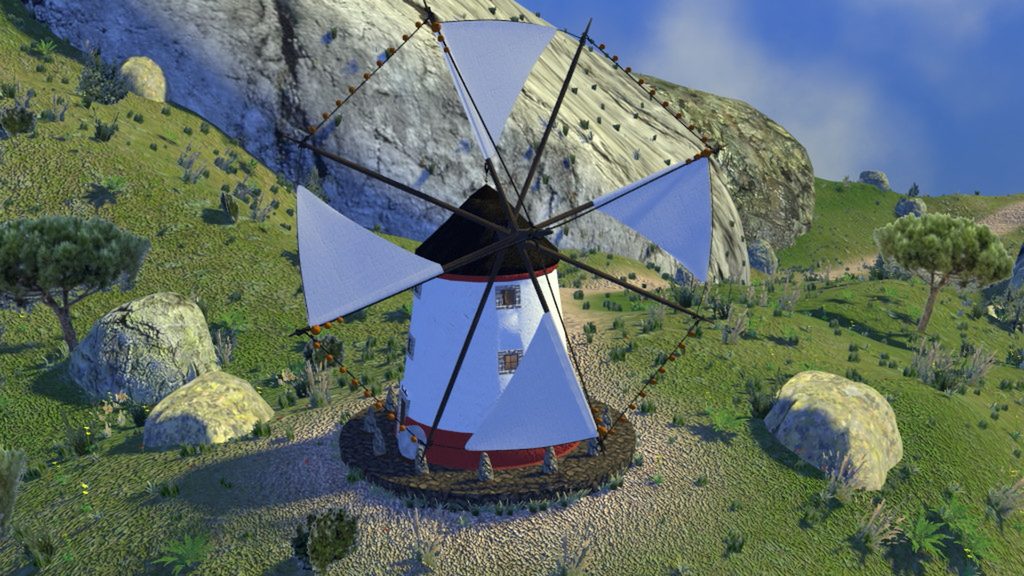
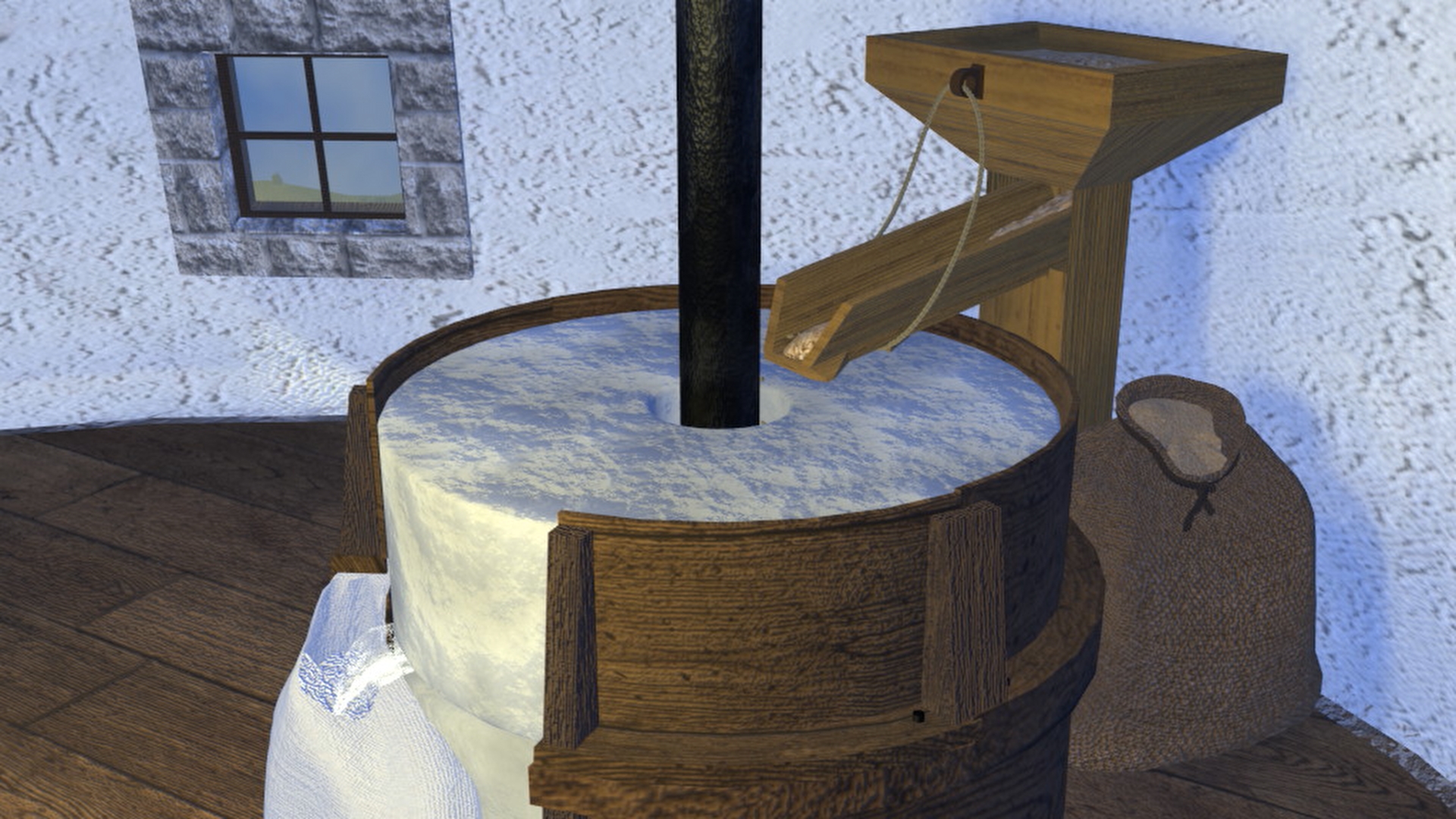
This personal project was inspired by a visit to a traditional windmill near Lisbon, where extensive on-site reference photography was captured. The model faithfully reproduces the mill’s structure and proportions based on that reference material, with full articulation of its moving components. The scene also includes a panoramic environment of the surrounding landscape. The high level of detail and scene complexity resulted in significant render times, back in the day…
China Cup
[Developed around the middle of 2020]
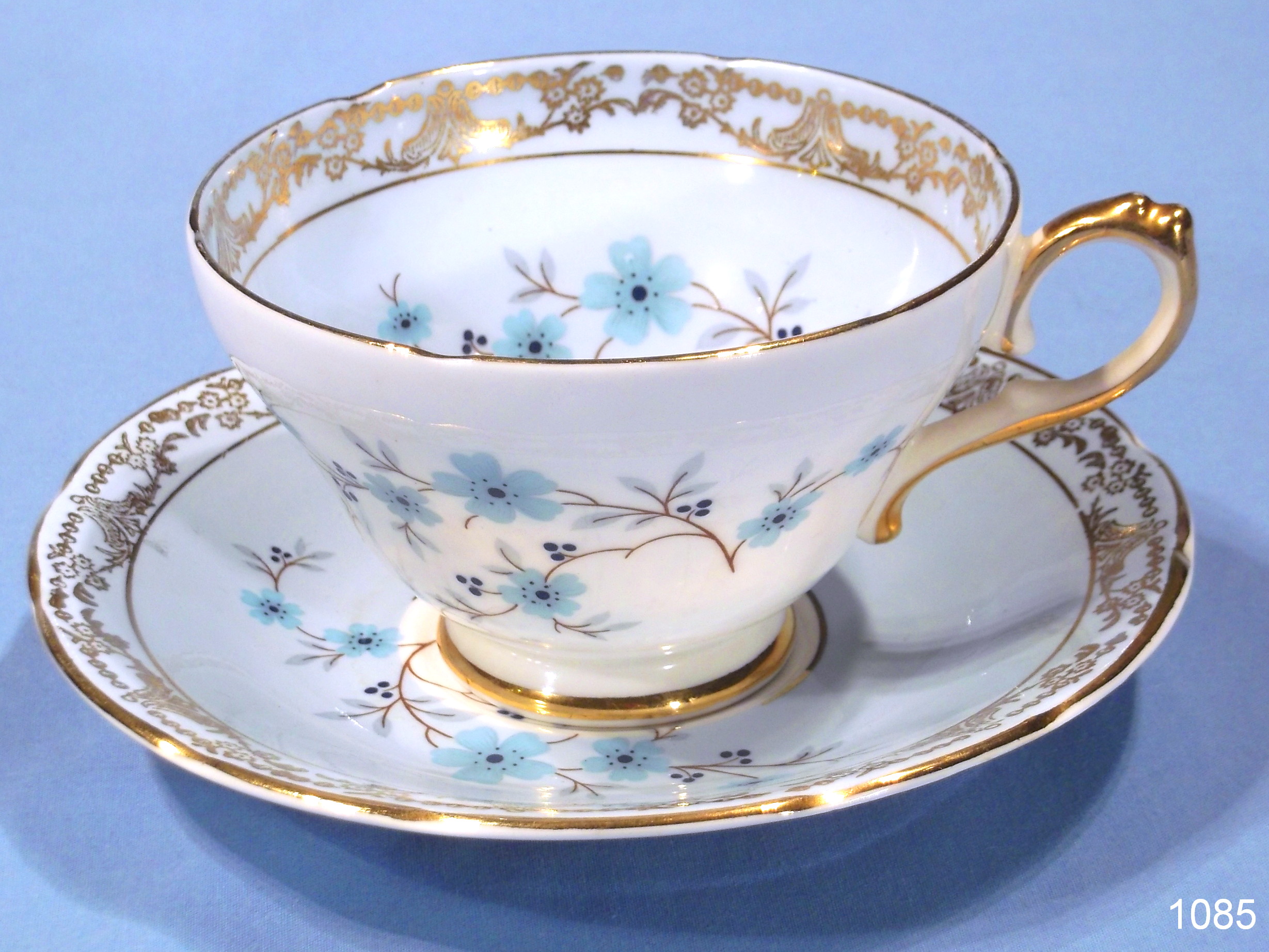
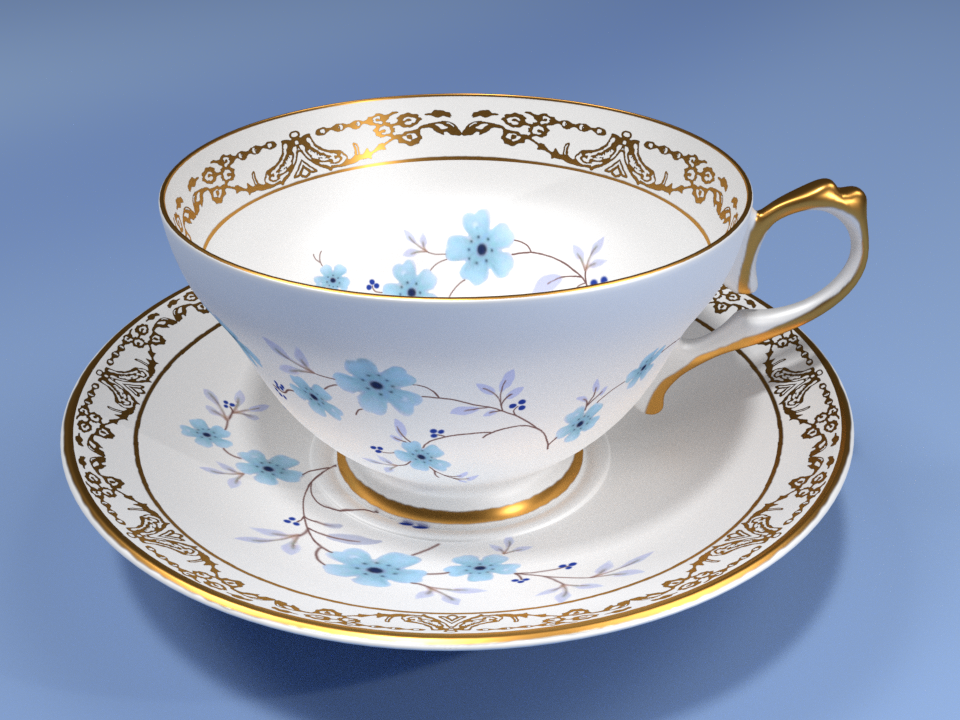
This was one of Pedro’s first personal projects in Blender, undertaken during the initial learning phase and built primarily through tutorial-driven practice. The goal was to recreate a traditional Chinese teacup with a high degree of realism — a deliberately ambitious target for a beginner, chosen to push the limits of what had been learned up to that point.